
Vintage diary
winter

February
44 mm in January, 38.8 mm in February. The start of this year has been marked by low rainfall.
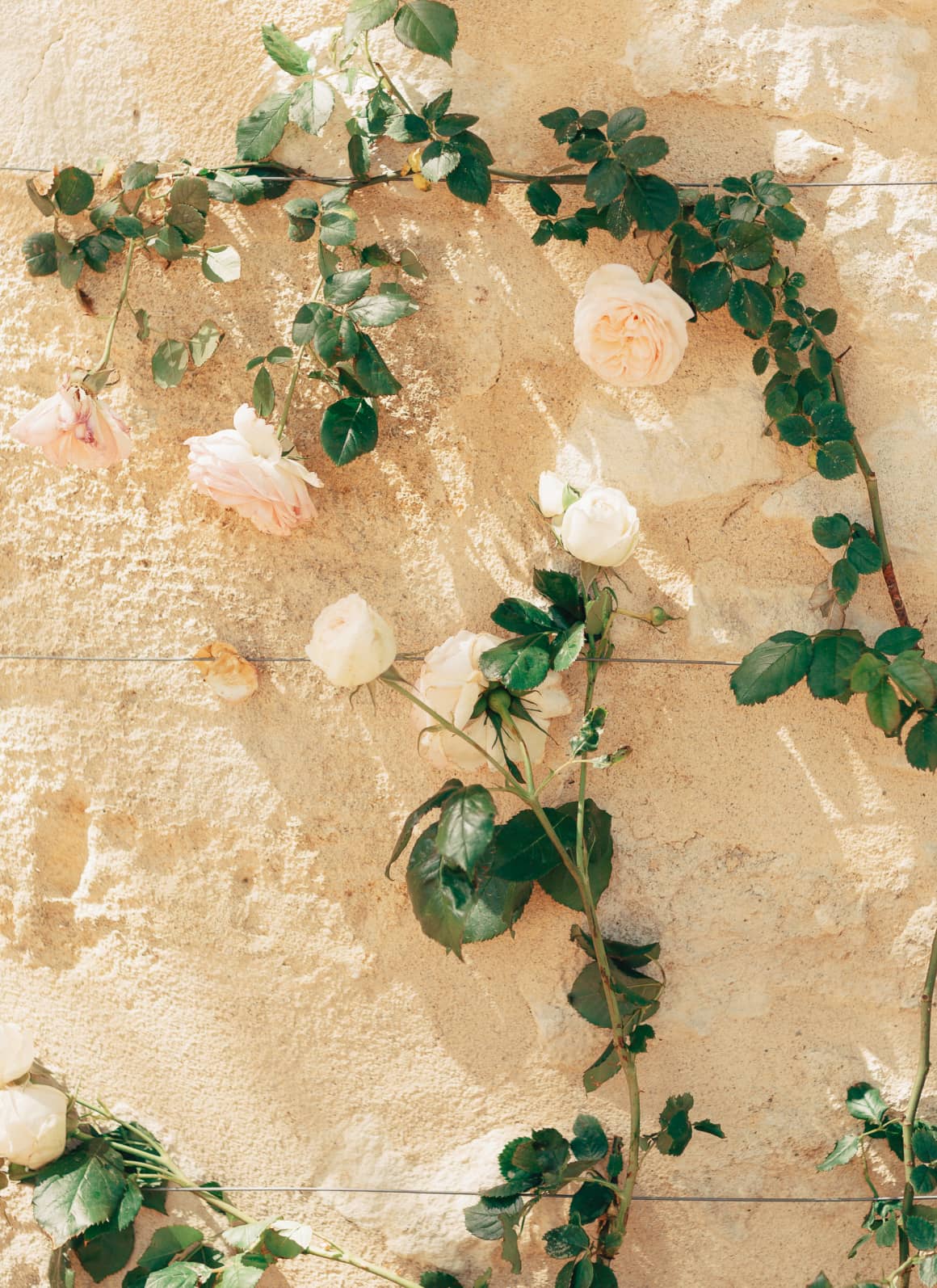
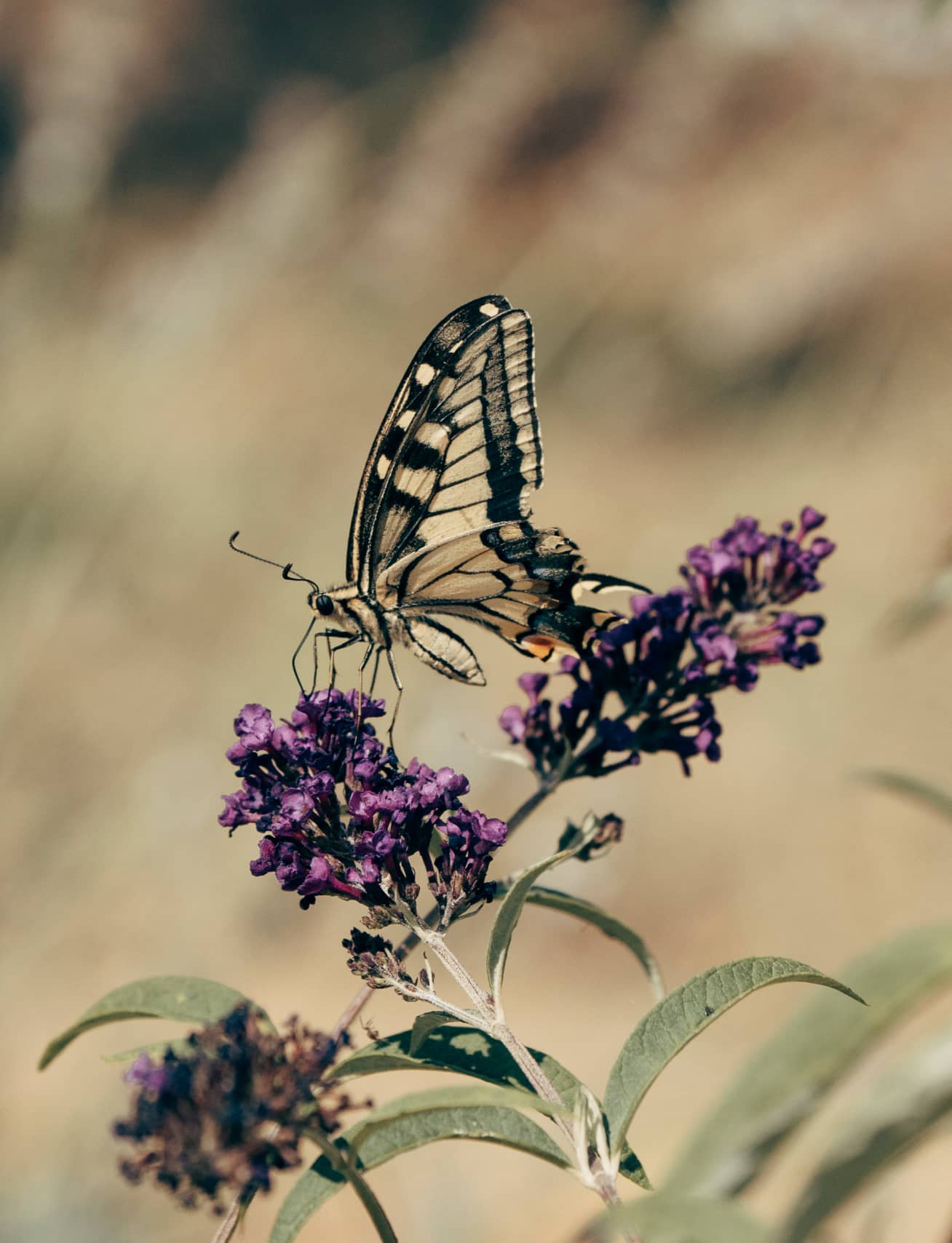
Under clear skies, we plant fruit trees in the rose alley: pear trees, plum trees, apricot trees and small berry bushes to encourage biodiversity.
MARCH
A mild winter means a quick awakening. The vines are budding two weeks early.
Our bird nesting boxes, so popular with tits and wagtails, have been repaired with willow.



spring

2 APRIL
A frost event is announced. We prepare for it by laying out bales of straw along the hillside.

4 APRIL
Early morning. Temperatures drop to -3.6°. Driven by the wind turbines on the plain, the winds sweeping across the plateau seem to have been held up on the hillside. We identify the affected vine stock.
A currently uncultivated plot is planted with sunflowers, while 3,000 square metres are planted with Malbec, marking the addition of a new grape variety to our garden.
MID-APRIL
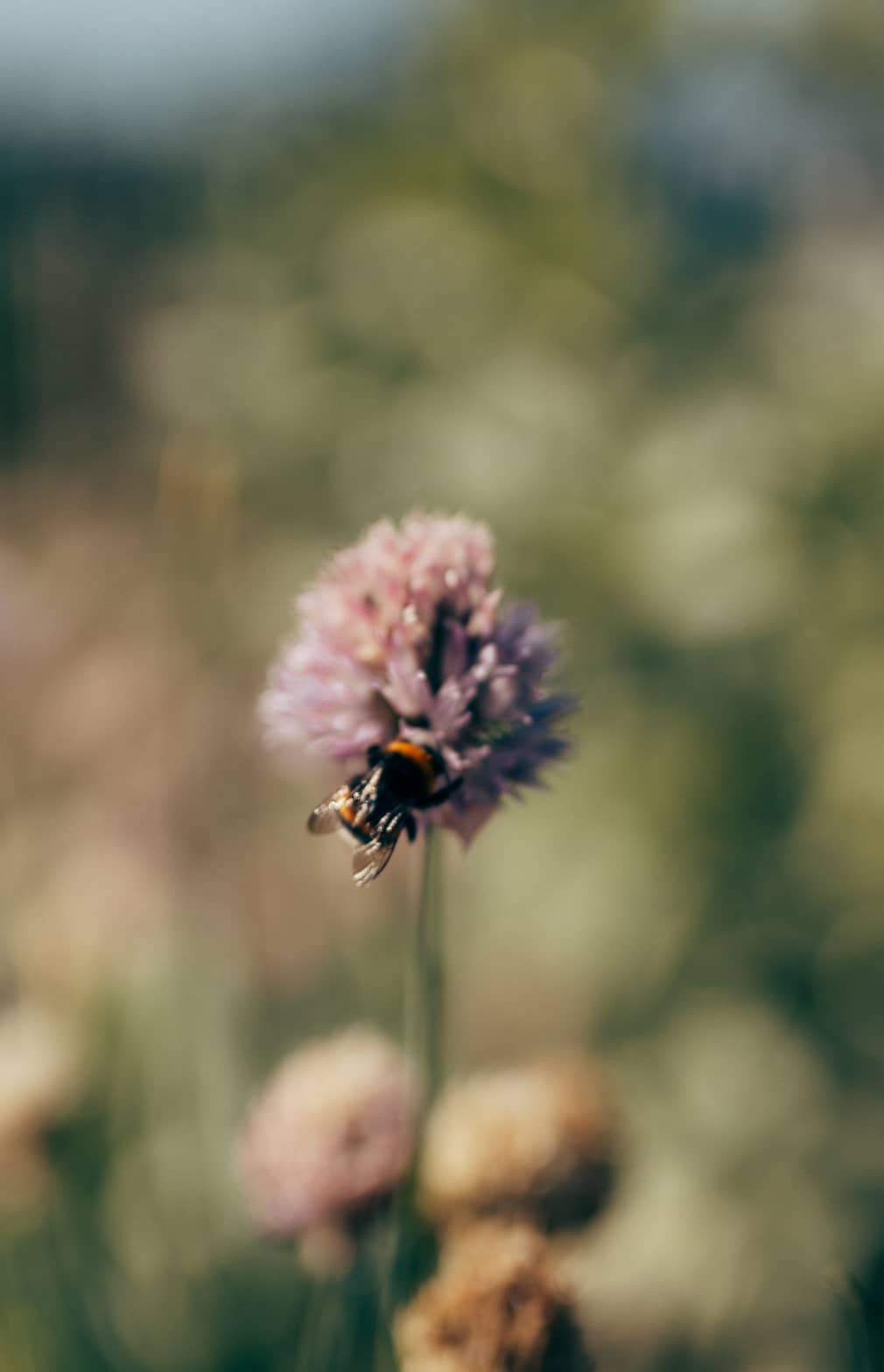
We thicken up our hedges by planting Everest apple trees, elder trees and strawberry trees… All providing food and shelter for auxiliary wildlife.

MAY
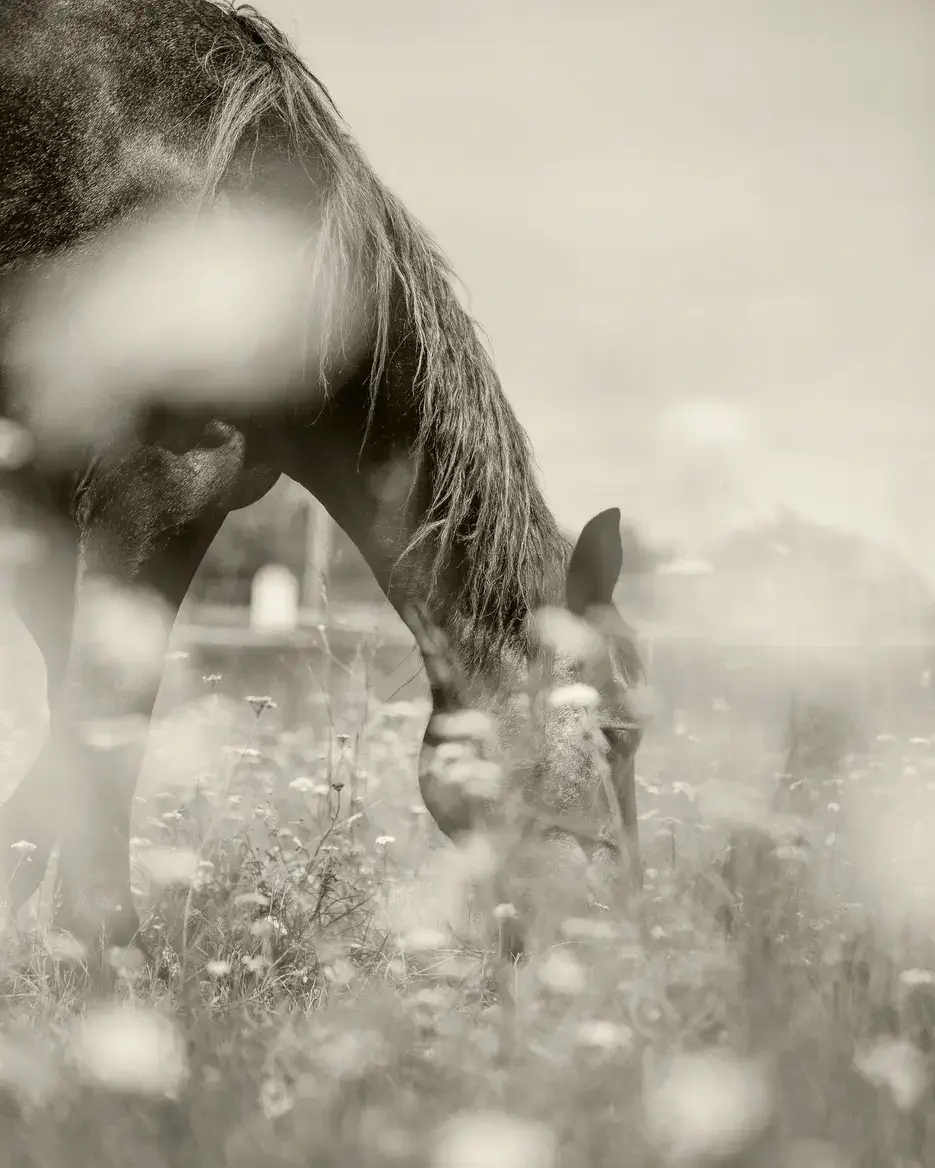
Arrival of Jitane and Joyeuse, two Percheron mares. They will first be broken in before being trained to plough the soil, with their handler following closely behind.
The warmth returns in April and May, both months being above the seasonal norms. This facilitates soil cultivation – we are ahead of the game.

16 MAY
Full bloom! The vines are flowering perfectly, two weeks ahead of schedule.
18 JUNE
First week of heatwave in the Bordeaux region, confirming the meteorologists’ forecasts.
summer
14 JULY
Another heat wave. The colour change slows down. We decide against thinning out the grapes and simply tidy them up to avoid problems associated with overconcentration.
28 JULY
Planted north/south, our vines are hardy. We do not want to irrigate, despite being authorised by derogation. The foliage holds up well, guaranteeing photosynthesis.


August
Two thunderstorms encourage the maturation of our grape varieties. Two much-appreciated cloudbursts.
It’s 16 August, and we’ve started berry tasting. We note the thickness of the skin, testimony to the vine’s adaptation to the intense heat of the sun.
29 august
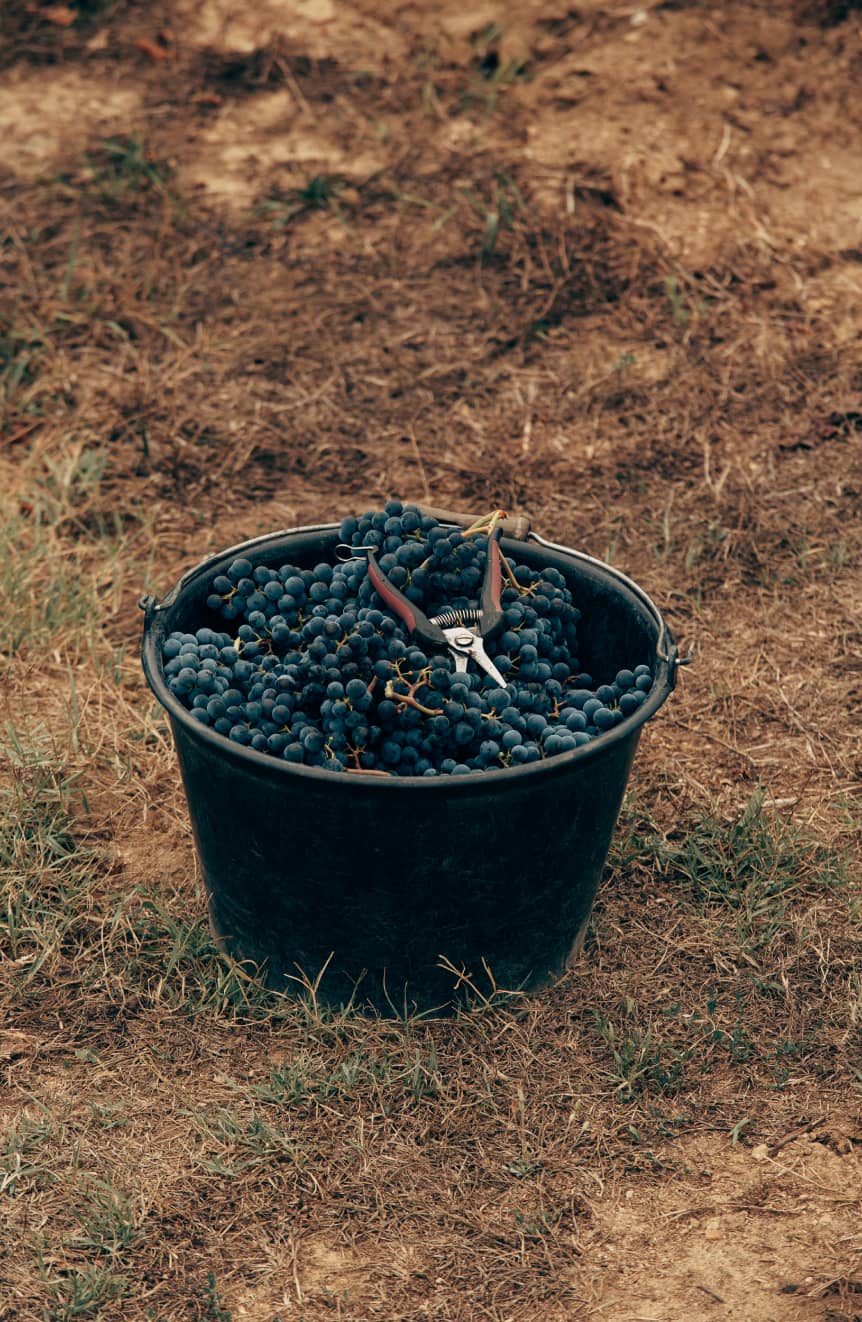
First day of the harvest. Ten- and twenty-year-old Merlots. Towards the middle and bottom of the hillside. The pulp clings to the seeds, a flesh-like sensation.
autumn
september
The pomace/juice ratios, differing from conventional years, prompt us to measure the extraction. For the first time, we are making sulphur-free wine.
The first glimpse in the vat is promising. This is when we appreciate our growing knowledge of the plant material and the constantly improving quality of the vineyard, which is reacting better and better to the vagaries of the weather.
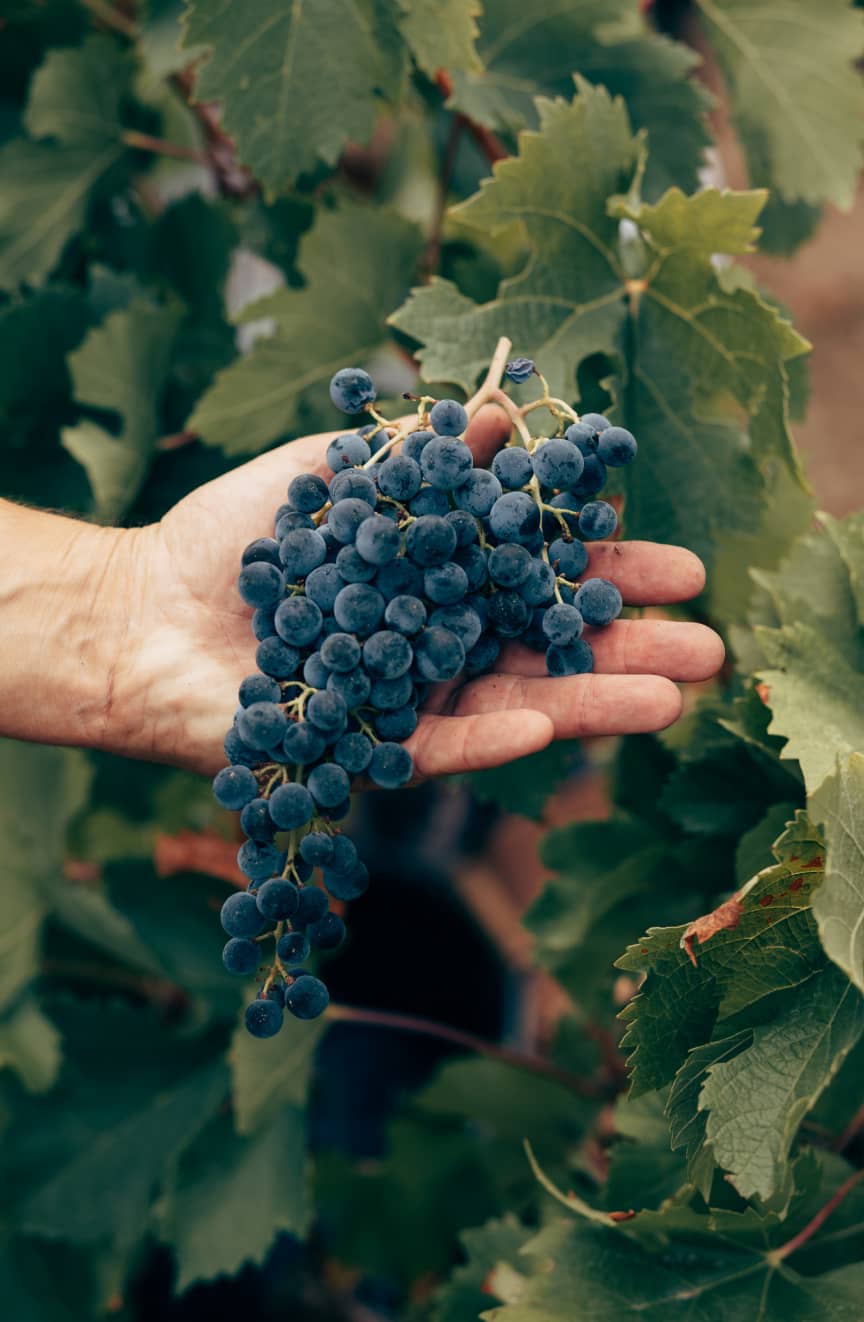
The proportion of Cabernet Franc is increasing, in line with the restructuring of the vineyard. Berliquet 2022 is composed of 65% Merlot and 35% Cabernet Franc.
Convinced by the results obtained last year we have doubled our capacity of ageing in amphorae, i.e. 8 amphorae of 750l. Pure expression of fruit, tracing mouth and a lot of length.

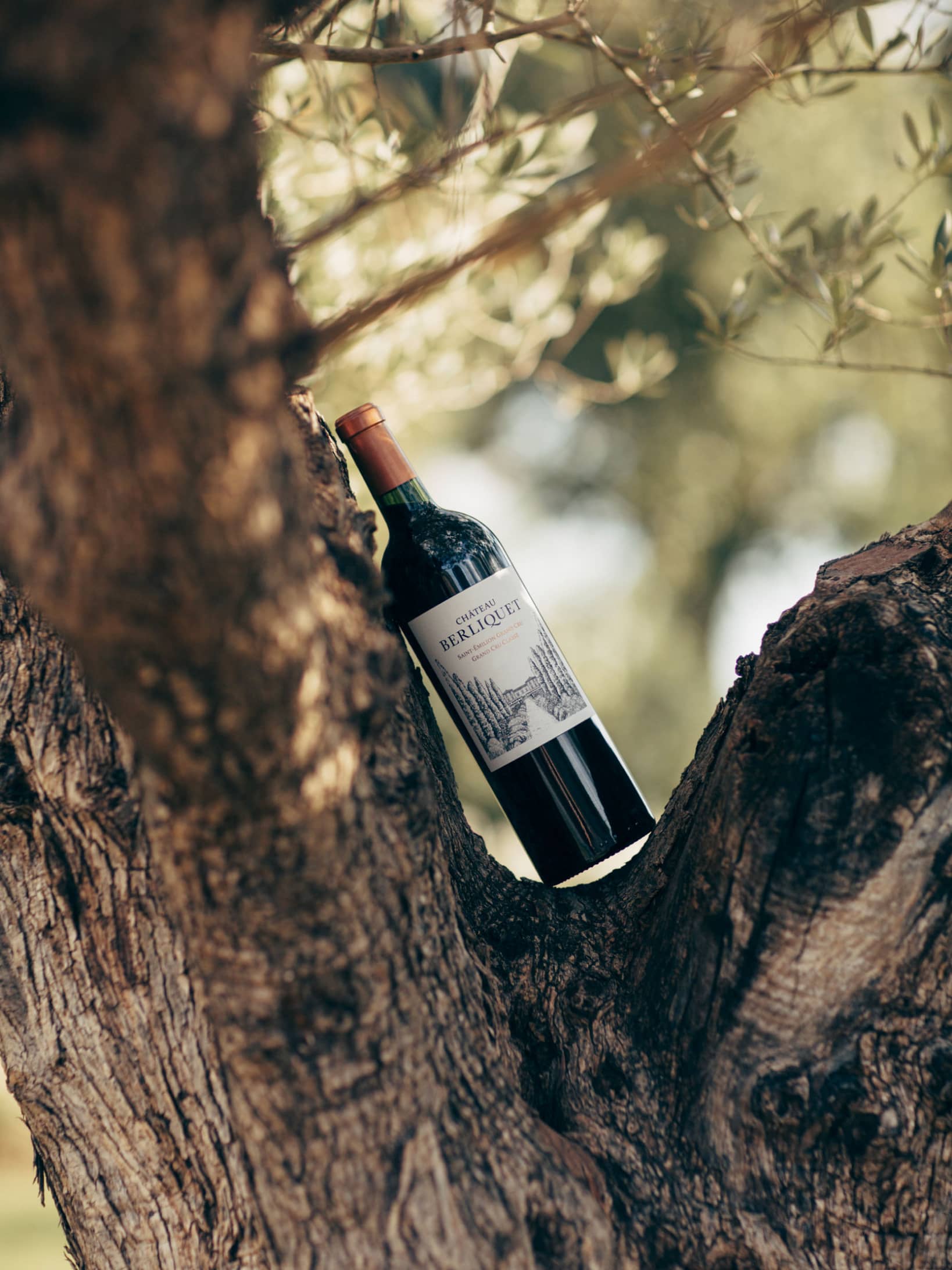
the wine
Initially floral on the nose. Centifolia rose joins forces with blackberry and is emboldened by its fruitiness, allowing the depth of the vintage to shine through. Both have their thorns, offering up a wild touch, then rounding out into gourmand notes.
The aromas continue to gain in intensity as the wine is aerated. The fruit is red with a touch of liquorice. On the palate the wine is fleshy and beautifully textured, skilfully enhancing its density. The finish boasts a limestone framework, delicately saline and above all very lingering. Bewitching.